Sign up for our newsletter to get 10% off for the week!



Dental Instruments

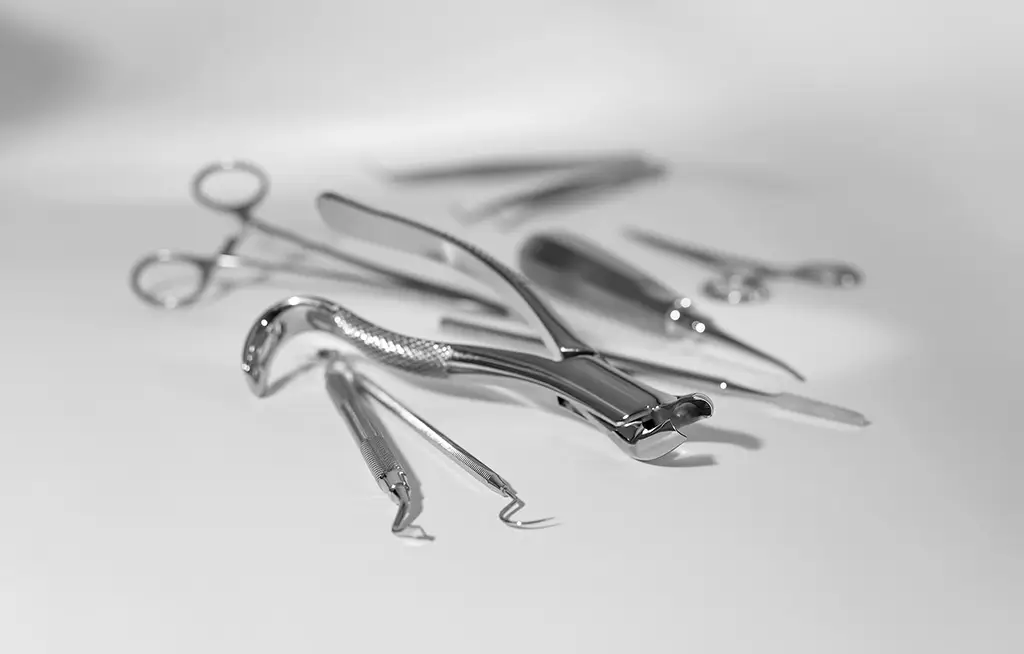
In the field of dentistry, success depends heavily on the quality, durability, and precision of the instruments utilized by dental professionals. For a manufacturer like Profile Surgical & Health, established in 2009, creating dental instruments requires a deep understanding of both clinical needs and metallurgical standards to ensure safety and effectiveness.
Essential Categories of Dental Instruments
Dental instruments are specialized tools designed for the examination, restoration, and treatment of teeth and oral tissues. They are categorized based on their specific clinical functions:
- Diagnostic Instruments: These tools are used to inspect the oral cavity and identify potential issues. Common examples include dental mirrors for visibility, explorers to detect tooth decay, and periodontal probes used to measure pocket depths around the teeth.
- Restorative Instruments: These are utilized to repair teeth and restore their function. This category includes instruments for placing and shaping dental composites or amalgams, such as pluggers, condensers, carvers, and burnishers.
- Extraction Instruments: Designed for the removal of teeth, these tools require high structural integrity. This includes various dental forceps tailored for specific teeth in the upper and lower arches, as well as elevators, which are used to loosen teeth before extraction.
- Periodontal & Surgical Instruments: These are used for deep cleaning, gum surgery, and oral procedures. This group includes scalers and curettes for removing tartar, alongside surgical scissors or scalpels designed for soft tissue management.
Engineering Quality and Manufacturing Standards
To maintain the reputation of Profile Surgical & Health, dental instruments must adhere to strict manufacturing protocols to ensure they perform reliably in professional settings:
- Material Integrity: Instruments are primarily manufactured from high-grade stainless steel (such as AISI 420 or 304). This ensures they are resistant to the harsh chemicals found in dental offices and can withstand repeated sterilization cycles in an autoclave without rusting or dulling.
- Precision Tips: The effectiveness of a dental tool lies in its tip. Whether it is a sharp scaler or a delicate explorer, the tips must be perfectly ground and polished to prevent trauma to the patient’s gums while ensuring accurate tactile feedback for the dentist.
- Ergonomics and Balance: Dental professionals hold these instruments for long periods. Well-designed instruments feature balanced handles with proper knurling (grip patterns) to reduce hand fatigue and ensure precise control during delicate procedures.
Conclusion
Since 2009, Profile Surgical & Health has remained dedicated to providing healthcare providers with the tools necessary to perform with confidence and accuracy. By focusing on material excellence, ergonomic design, and mechanical precision, we ensure that our instruments serve as trusted, durable partners in oral healthcare.