Sign up for our newsletter to get 10% off for the week!



General Surgery Instruments

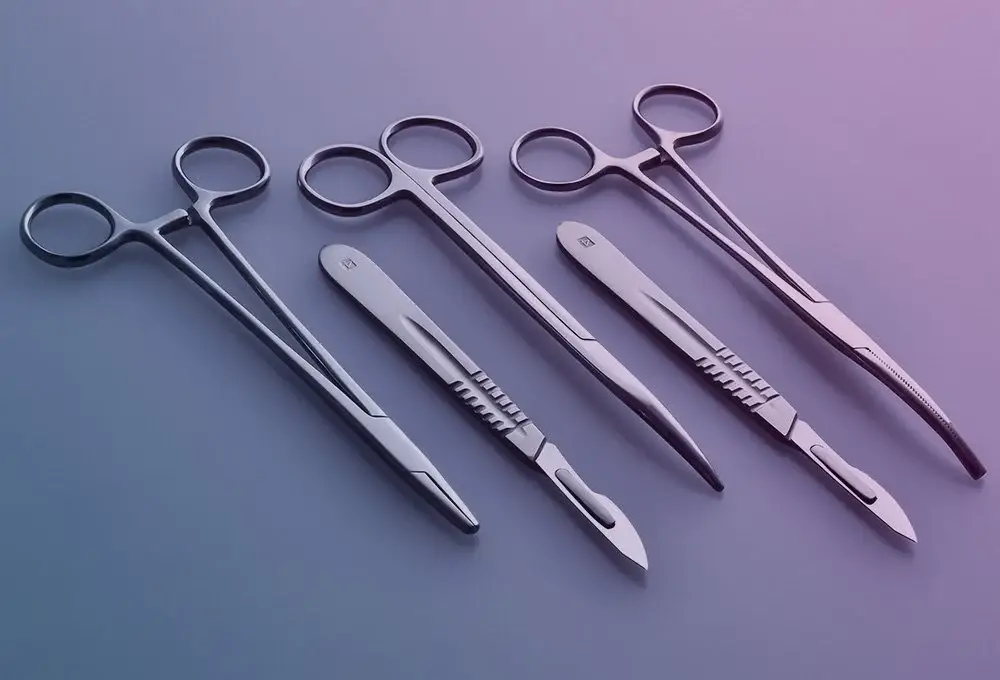
General surgery is the backbone of modern medicine, encompassing a vast array of life-saving procedures. At the heart of every successful surgery lies the quality, precision, and reliability of the instruments used by the surgical team. For a manufacturer like Profile Surgical & Health, which has been dedicated to this craft since 2009, understanding the nuances of these tools is essential to maintaining excellence in the global medical market.
The Critical Categories of General Surgery Instruments
General surgical instruments are categorized based on their primary function within the operating theater. Each type must be manufactured with specific metallurgical properties to ensure it performs consistently under pressure.
- Cutting and Dissecting Instruments: These are the primary tools used to create incisions or remove tissue. This category includes scalpels, which require ultra-sharp, high-carbon steel blades, and various surgical scissors. For instance, Metzenbaum scissors are precision-engineered for delicate tissue dissection, while heavy-duty Mayo scissors are designed for tougher materials.
- Grasping and Holding Instruments: To manipulate tissue, organs, or surgical materials without causing unintended damage, surgeons rely on grasping instruments. Thumb forceps and tissue forceps are essential in this category; they are often designed with specific teeth or serrations to provide a secure grip without crushing delicate anatomical structures.
- Clamping and Occluding Instruments: Hemostasis, or the stopping of bleeding, is vital during any operation. Hemostatic forceps (often called hemostats) are designed with a locking mechanism that allows the surgeon to clamp blood vessels securely, providing a clear and bloodless surgical field.
- Retracting and Exposing Instruments: Maintaining a clear view of the surgical site is non-negotiable. Retractors are used to hold incisions open or to pull back organs and tissue. These range from simple, handheld retractors to complex, self-retaining models that allow the surgical team to focus on the procedure rather than manual holding.
- Suturing Instruments: Closing a wound requires needle holders (or drivers) that provide a firm, stable grip on curved surgical needles. These must be engineered to prevent needle rotation during the suturing process, ensuring efficient and accurate wound closure.
Engineering Quality for the Modern Operating Room
The manufacturing of these instruments is a blend of traditional craftsmanship and modern technology. To uphold the standards required by medical professionals, several factors are critical:
- Material Integrity: High-grade, corrosion-resistant stainless steel (such as AISI 420 or 304) is the industry standard. This material is chosen for its ability to withstand repeated, harsh cycles of autoclave sterilization without degrading or rusting.
- Surface Finish: The final finish of an instrument is not just aesthetic. A mirror polish offers superior corrosion resistance, while a satin or matte finish is preferred by many surgeons to minimize light glare from intense operating room lamps.
- Mechanical Precision: The “feel” of an instrument—its balance, the tension in a box-lock hinge, and the alignment of the tips—is what defines a professional-grade tool. For a manufacturer, maintaining tight tolerances in production ensures that forceps lock correctly and scissors cut cleanly from base to tip every single time.
Conclusion
For Profile Surgical & Health, every instrument that leaves the factory floor represents a commitment to the patient’s wellbeing and the surgeon’s success. By focusing on material excellence, ergonomic design, and mechanical precision, we ensure that our tools are not just instruments, but trusted partners in the surgical suite.